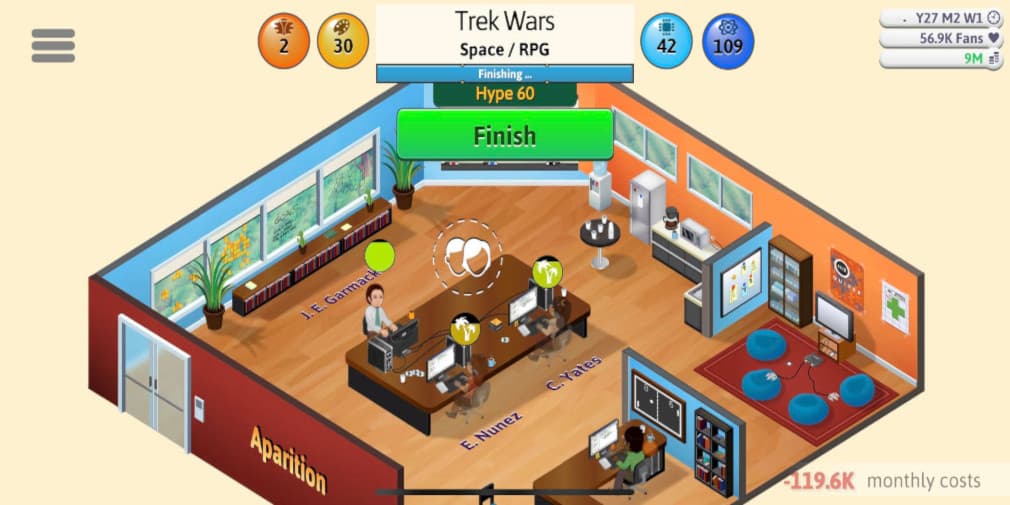
Diving into Game Dev Tycoon can be both exciting and overwhelming, especially for newcomers eager to make their mark in the gaming industry. While the game offers a lot of room for experimentation, mastering some core principles can significantly boost your chances of creating hit titles and building a thriving virtual development studio. This guide provides comprehensive tips to help you navigate the game’s mechanics, optimize your resources, and maximize your profits, whether you’re aiming for blockbuster success or steady growth.
As you progress, you might also consider exploring opportunities with local development agencies. For example, understanding how to choose between different 2d and 3d video game development firms in India can inform your strategic choices in hiring or outsourcing. Additionally, if you’re interested in breaking into the industry, learning about the best pathways and key tips is invaluable—resources like breaking in how to get into the game development industry can offer helpful insights.
This guide will walk you through essential gameplay mechanics—such as managing budgets, choosing platforms wisely, researching new technologies, and leveraging trends—while also sharing advanced tactics like engine development and marketing strategies. Whether you’re just starting or seeking to refine your approach, these tips will help you turn your game ideas into successful hits and grow your virtual studio into a dominant force.
—
Take on Contracts to Boost Income
Financial management is critical in Game Dev Tycoon. If you’re not cautious, expenses can quickly spiral out of control, especially with platform licensing fees, content creation costs, and ongoing monthly expenses. To help stabilize your income, contracts are a valuable tool—they provide a steady source of cash flow, often giving early payouts of over $20,000. However, they come with risks: if you fail to complete a contract, penalties of around $8,000 can hit your budget hard.
Contracts are somewhat unpredictable, as you don’t have full control over the process. Your best strategy is to start with smaller, manageable contracts—say, those paying around $13,000—to ensure success and steadily build your financial buffer. Every dollar earned helps keep your company afloat and allows you to invest in future projects. Remember, the goal is consistent income through a combination of game sales and contract work, so monitor your cash flow carefully to avoid running into severe deficits.
Avoid Negative Balances and Stay Afloat
While it’s ideal to keep your finances in the positive, sometimes you might dip into the negative. If that happens, don’t panic—staying just below zero isn’t immediately disastrous, but it’s important to act quickly to recover. The key is to avoid letting your total debt grow to -$50,000 or more, which risks bankruptcy.
If your funds are dwindling, focus on generating revenue through game sales and completing contracts diligently. You can also consider taking out a bank loan, but be cautious: loans must be repaid with interest, which can strain your finances further. The safest approach is to keep your company profitable by consistently releasing games and securing contracts, thus gradually pulling yourself out of the red.
Choosing Platforms Wisely
Investing in expensive platforms like high-end consoles can seem tempting, especially when you see the potential for higher sales. However, this approach isn’t always financially prudent. The success of your game heavily depends on its review scores and market fit. While a hit on a popular platform can bring in significant revenue, a failure can drain your resources.
Starting with more affordable options, such as PC, allows you to build a steady revenue stream without risking large upfront costs. Developing for PC is relatively inexpensive, with one-time developer licenses that are much cheaper than console licenses, which can exceed $500,000. Once your studio is more established and you understand which platforms perform best for your style, you can gradually expand into more expensive hardware.
Invest in Research to Broaden Your Horizons
Research is the backbone of innovation in Game Dev Tycoon. Unlocking new game genres, topics, and features through research allows you to diversify your portfolio and adapt to market trends. Initially, your options are limited to a handful of game types, but investing in research opens up a wide array of possibilities, enabling you to create more complex and engaging titles.
By exploring different genres and combining them creatively, you can discover winning formulas that appeal to various player segments. This versatility can lead to higher scores and better sales. For comprehensive guidance, you might want to explore industry-standard practices by consulting resources about which company developed the game No Man’s Sky, to understand how successful studios innovate and expand their game catalogs.
Keep It Simple and Focused
With ever-evolving gaming platforms—ranging from traditional consoles to mobile devices—it’s easy to get distracted by the latest tech. While experimenting is part of the fun, jumping into expensive development licenses without sufficient experience can drain your resources. As a rule of thumb, sticking with familiar platforms like PC initially provides a safer financial footing.
Developing for more advanced platforms can be lucrative if your game succeeds, but only when you’re confident in your budget and skills. Each platform has its licensing costs and development challenges, so weigh these carefully. Remember, a well-executed game on a simpler platform often outperforms a costly flop on a new console.
Build Your Own Engine for Greater Flexibility
Creating your custom game engine might require a hefty investment upfront, but it pays off by giving you more control over your development process. An in-house engine can incorporate new features—such as online multiplayer, save systems, or open-world mechanics—that set your games apart from competitors.
While building an engine can be expensive, it enables you to streamline future projects, incorporate technological advancements, and potentially reduce long-term costs. Reviewers appreciate technical improvements, so continually upgrading your engine can enhance your game’s reputation and scores. For a deeper understanding of how tech development impacts the gaming industry, visit which company developed the game No Man’s Sky.
Ride the Waves of Trends
Market trends in Game Dev Tycoon can appear unexpectedly, often after moving to a larger office. These trends might involve popular genres, topics, or gameplay styles—such as a surge in farming sims or action games—often driven by real-world gaming news.
While not mandatory, aligning some of your projects with current trends can be financially rewarding. Successful trend-based games tend to generate higher revenues during their peak popularity. Keep an eye on the news and adapt your strategy accordingly, but don’t rely solely on trends; balancing trend-based projects with original ideas ensures long-term stability. Trends eventually fade, so be prepared to pivot back to your core projects once the hype dies down.
Avoid Repeating the Same Game Formula
After a successful hit, it’s tempting to replicate your winning formula by releasing similar titles. However, doing so repeatedly can backfire—critics and players often penalize repetitive content, resulting in lower scores and sales. Even if your previous game was a smash hit, using the same genre and topic consecutively will likely lead to disappointing results.
Diversify your portfolio by exploring new combinations and styles before returning to proven formulas. Check your game history to keep track of what you’ve already done, preventing accidental repetitions. This approach not only keeps your audience engaged but also helps you discover fresh, profitable game concepts. For more insights into effective game design, consider consulting industry case studies or breaking in how to get into the game development industry.
Use the Game History for Better Planning
The Game History tab, often overlooked, provides valuable information about your previous projects’ topics and genres. Since it’s easy to forget the details of past games, referencing this section ensures you don’t unintentionally repeat the same combinations, which could hurt your scores.
Regularly review your game history to plan future projects and maintain variety. This simple habit helps you avoid penalties from repetitive formulas and ensures your studio remains innovative. Building a diverse portfolio is key to long-term success in the game industry.
Hire and Train Employees to Boost Efficiency
As your studio grows, hiring employees becomes essential. Start small—perhaps with one or two team members—and expand gradually. Over-hiring too quickly can be costly and inefficient. Properly training your staff on new skills or tools enhances their productivity, making your development process smoother.
Investing in employee training might seem expensive at first, but it pays dividends by increasing their work speed and quality. For example, spending around $15,000 on training materials can significantly improve efficiency. Well-trained staff can handle complex projects more effectively, helping your studio produce better games faster.
Conduct Informative Interviews
In-game interviews serve as a mini-feedback loop, offering insights into your game development choices. When you start a new project, media outlets may interview you, asking what you believe is most important—such as gameplay versus graphics. Your responses influence how critics and players perceive your game, providing valuable strategic feedback.
Pay attention to these interviews, as they can guide future development decisions. Although small, the insights gained can help you fine-tune your game design philosophy and better meet market expectations.
Expand Your Game Size to Increase Depth
Once you’ve established a solid portfolio and conducted enough research, you can unlock the ability to create medium and large-sized games. Larger projects require more team members and careful workload management but offer the chance to develop richer, more detailed titles.
Having at least three employees helps distribute the workload effectively, especially for complex projects. Keep an eye on their workload percentages; overworking staff can lead to burnout and lower quality. Successful larger games can significantly boost your revenue if they receive high scores, making the extra effort worthwhile.
Consider Publisher Contracts for Additional Revenue
While not essential, partnering with publishers can provide significant financial and promotional benefits. Publishers will commission games based on specific topics, genres, and ratings, offering upfront payments and increased exposure. Success in these collaborations can lead to a surge in fans and higher sales.
However, failing to meet publisher requirements results in penalties, so weigh the risks carefully. Developing your own titles independently can also be highly profitable—some studios have earned millions from a single hit. For insights into industry earnings, see salary expectations: how much does a game developer earn.
Promote Your Games to Maximize Sales
Marketing is a powerful tool to increase your game’s visibility. You can spend funds on advertising campaigns across magazines, online media, or even large-scale marketing blitzes. Timing is crucial—mid-development marketing efforts tend to be most effective, generating hype and drawing in fans.
Well-executed marketing campaigns often lead to higher sales, especially if your game has strong review scores. Building hype through advertising can turn a good game into a blockbuster hit, boosting your profits and reputation.
Attend G3 to Showcase Your Games
Participating in the in-game version of the renowned gaming convention—similar to E3—can significantly increase your studio’s profile. You can rent booths of various sizes, with larger booths costing over $1 million, so starting small is advisable. A modest booth at $50,000 allows you to test the waters.
Attending conventions can generate buzz for upcoming releases, especially when you secure invites during development. While optional, these events are excellent opportunities for networking, gaining fans, and attracting media attention. Remember, you can always skip an event if your budget doesn’t allow it, but many successful developers make it a staple of their marketing strategy.
—
For further insights into starting your own game development studio or exploring industry standards, visit breaking in how to get into the game development industry. Whether you’re aiming to become a top-tier studio or just want to craft engaging games, these tips will help you build a successful and profitable career in the gaming world.