


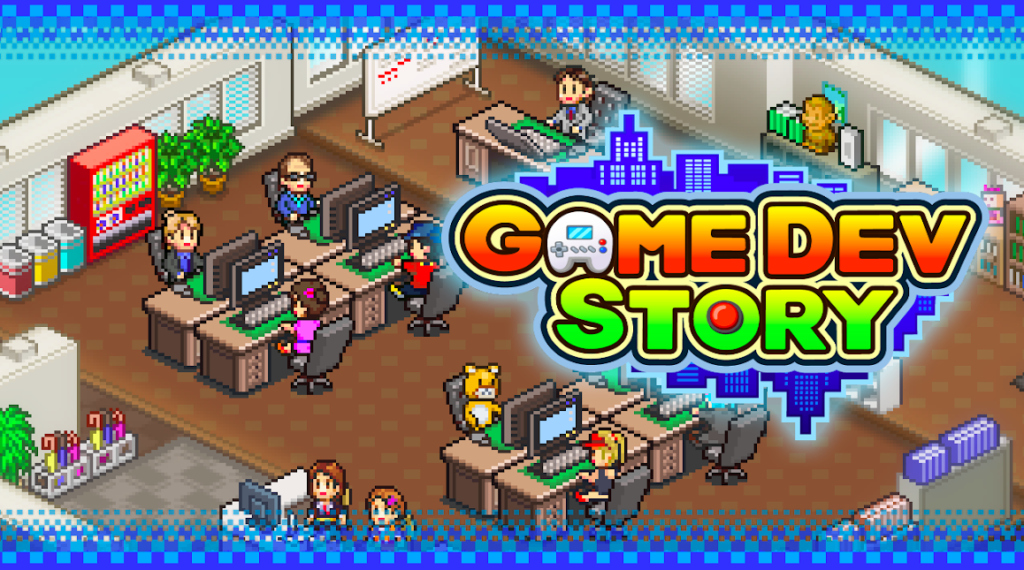
Embark on a comprehensive journey through the world of game development with this detailed guide. Whether you’re aiming for the coveted Game of The Year award or seeking to expand your studio into hardware manufacturing, understanding the intricacies of managing your team, selecting the right combinations, and leveraging strategic opportunities is essential. This guide covers everything from optimizing employee skills and creating blockbuster sequels to unlocking all genres and developing your own console, ensuring your path to success is well-charted and achievable.
General Tips for Game Dev Story
If you’ve ever dreamed of running your own game studio, then Game Dev Story by Kairosoft offers the perfect simulation experience. Building hit titles, assembling a talented team, and winning prestigious awards have never been more engaging. To set you on the right path, this section outlines fundamental strategies for maximizing your studio’s potential. Remember, success hinges on a mix of creativity, strategic planning, and making informed decisions to dominate the gaming industry.
- Selecting Your Initial Genre and Type:
As the studio’s CEO, your first task is choosing an appealing genre and type that appeal to a broad audience. Focus on combinations with high marketability. Keep in mind that certain genres perform better when paired with specific types; for example, racing games often do well with action or simulation, while RPGs are well-suited to adventure or fantasy themes. These strategic pairings can significantly boost sales and profits.
- Enhance Employee Skills and Levels:
Your studio’s success depends heavily on your team’s expertise. Prioritize leveling up your employees by allocating Research Data (RD). Specializing employees in roles such as designers, writers, sound engineers, or hackers allows them to perform more effectively. Hiring new staff with higher potential as your studio grows will further improve game quality and overall output.
- Plan for Console Development:
Creating your own gaming console can be a game-changer. Keep an eye on market trends and popular platforms to capitalize on emerging opportunities. Collaborating with well-established consoles through licensing can result in higher sales. Additionally, preparing for console launches is crucial, as they typically generate a surge in game popularity and revenue.
- Balance Development Time and Quality:
Time management is critical. Rushing development may save time initially but often results in lower-quality games that fail to impress fans. Take the necessary time to progress through all development stages properly, ensuring bugs are fixed and quality standards are met without excessively prolonging the process.
- Participate in Trade Shows:
Trade shows such as E3 (called Gamedex within the game) are excellent opportunities to promote your titles. Investing in a good booth and showcasing your latest games increases visibility and fan engagement, leading to greater sales and reputation.
- Use Advertising Wisely:
Effective marketing can significantly boost your game’s success. Allocate funds to advertise across various platforms—magazines, billboards, online ads—and experiment to determine what works best for your target audience. Strategic promotion enhances sales and broadens your player base.
In addition to these tips, exploring reliable learning resources how to learn game development effectively can help refine your skills further. Also, considering partnerships with a game development company specializing in play to earn games can open new monetization avenues.
Developing Your Console and Hiring a Hardware Engineer
One often-overlooked aspect of success in Game Dev Story is the development of a personal console. Supporting your console with new titles and advertising post-launch can reap long-term benefits. To develop a console, you’ll need a dedicated hardware engineer. Achieving this requires a strategic approach: elevate an employee’s skills across multiple disciplines—such as design, coding, writing, and production—by utilizing career change manuals, which are sold by the in-game salesman annually.
To unlock the ability to produce your own console, you must first promote your studio’s reputation by earning two awards in any category at the end of the year, which grants access to the Level 3 Office. Building a hardware team involves training employees to level 5 in various roles, then shifting their careers accordingly.
Creating a console is a time-consuming process that demands significant resources and a Level 3 office. Be aware that focusing heavily on hardware development might temporarily reduce your game output, risking a decline in your fan base. Proper planning and resource management are key.
Unlocking the Level 3 Office
Advancing your studio to a Level 3 Office is straightforward once you have demonstrated excellence. Achieve this milestone by earning two awards in any category at the close of a year. This unlocks the option to upgrade your office, expanding your capabilities and unlocking new features, such as developing consoles and exploring additional genres.
Unlocking All Genres
Diverse genres can enhance your studio’s versatility and appeal. Here’s how to unlock every genre:
- Action: Reach Level 3 with a Writer.
- Action RPG: Reach Level 3 with a Producer.
- Audio Novel: Achieve Level 2 with a Director.
- Board Games: Have a Producer on your team.
- Card Games: Reach Level 3 with a Hardware Engineer.
- Life Simulation: Reach Level 3 with a Designer.
- Motion Games: Reach Level 4 with a Hardware Engineer.
- Music: Reach Level 5 with a Director.
- Online RPG: Reach Level 5 with a Producer.
- Online Simulation: Reach Level 5 with a Hacker.
- Racing: Reach Level 3 with a Sound Engineer.
- RPG: Reach Level 5 with a Writer.
- Shooter: Reach Level 3 with a Writer.
- Simulation: Reach Level 4 with a Coder.
Unlock other topics and themes through specific employee training or skill development, like making a Coder do Museum Training to unlock themes such as “Airplane” or having a Designer attend a Long Trip to unlock “Architecture.”
Best Combinations and Strategies
Combining genres and topics intelligently maximizes both sales and critic scores. Some of the top pairings include:
- Action + Basketball
- Action + Horror
- Adventure + Detective
- Audio Novel + Romance
- Board + Chess
- RPG + Monster
- Simulation + Town
Creative combos also exist but generally do not outperform the tried-and-true pairings listed above. Experimenting with these combinations can lead to blockbuster hits.
Final Tips for Success
- Formulate Effective Combinations:
Use the most successful genre and topic pairings to boost your game’s reception. A good strategy is to focus on combinations that have proven to generate high sales and positive reviews.
- Train Employees Consistently:
Invest in training your staff, especially when funds permit. Options like Movie, College, or Lab Study training greatly enhance employee skills and productivity.
- Create Sequels:
Sequels tend to outperform original titles because they start with higher ratings and sales potential. Focus on building sequels for your most popular games for steady income.
- Develop Your Own Console:
Supporting your console with regular releases and advertising helps establish a hardware line that can generate significant revenue. Remember, making a console requires a Level 3 Office and a dedicated hardware engineer.
- Aim for Awards:
Winning awards not only boosts your studio’s reputation but also unlocks new development options and genres. Target specific awards to elevate your studio’s status.
For more detailed guides, consider exploring resources on top platforms to find game development jobs, which can help you expand your team or find new talent.
Final Thoughts
Success in Game Dev Story depends on strategic planning, continuous employee development, and understanding the mechanics of combining genres, topics, and development paths. Whether you’re aiming to win the ultimate game award or develop your own console, applying these tips will put you on the path to becoming a legendary game studio. For further insights, check out more guides on Gaming Route or explore the potential of partnering with a game development company focusing on innovative monetization models.