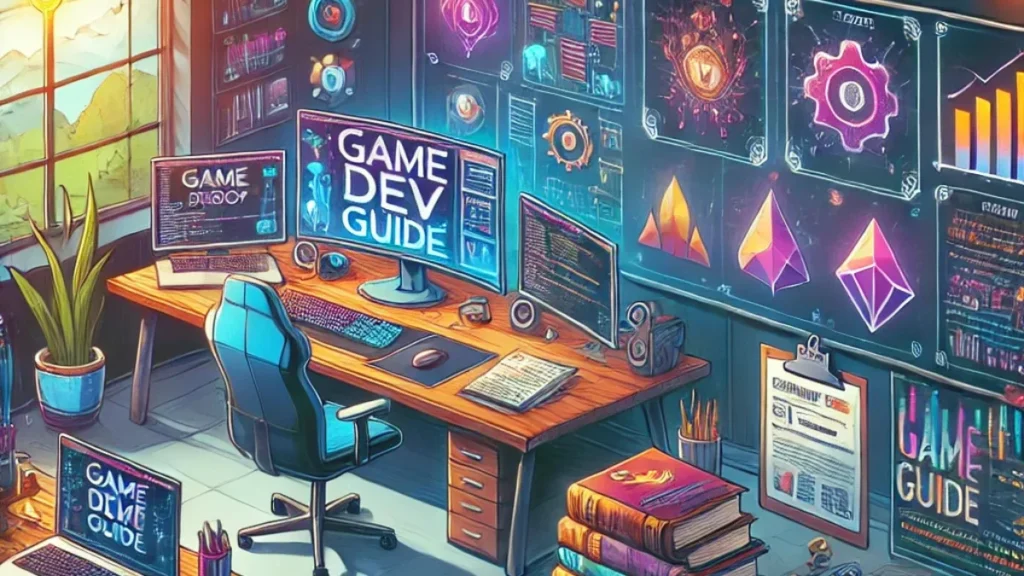
Embarking on a journey in game development simulation games like Game Dev Tycoon requires strategic planning, a keen understanding of market trends, and effective resource management. This comprehensive guide aims to equip aspiring game entrepreneurs with proven techniques to optimize their workflow, maximize profits, and build a thriving virtual studio. From selecting the right game combos to managing your team efficiently, each section offers valuable insights to help you navigate the complexities of the industry and turn your creative ideas into lucrative hits.
Mastering the Optimal Game Combinations
Choosing the right mix of themes, genres, target audiences, and platforms is fundamental to excelling in Game Dev Tycoon. Compatibility between these elements significantly influences the success of your projects. For instance, pairing a Fantasy theme with an RPG genre aimed at a Mature demographic on the Playsystem platform often yields impressive results. Experimenting with different combinations allows you to identify what resonates with your target market and adapt to shifting preferences. To deepen your understanding of game development principles, you can explore detailed resources such as comprehensive guides on creating successful mobile games.
Fine-Tuning Development Focus by Genre
Adjusting your development sliders according to the specific needs of each genre is crucial for producing high-quality titles. In Game Dev Tycoon, focusing on particular aspects during different phases can enhance your game’s appeal. For adventure games, prioritize storytelling and world design in early stages, then shift towards graphics and sound as development progresses. Conversely, action games benefit from emphasizing engine capabilities and gameplay mechanics initially, followed by AI and level design. RPGs require a balance between story, gameplay, and world-building, especially in later phases. Mastering these focus areas ensures your games meet industry standards and satisfy player expectations. For more insights into the technical aspects of game creation, consider reviewing what is game development: a comprehensive overview.
Effective Employee Management Strategies
Building a competent and motivated team is the backbone of successful game production. Strive for a balanced mix of design and technical talent, and invest in regular training sessions to improve their skills and productivity. Assign specialists to core areas such as engine development, gameplay design, and graphics to ensure quality output. Managing your staff efficiently helps streamline workflows and reduces the risk of delays or subpar results. For guidance on assembling top-tier development teams, explore industry case studies and best practices.
Avoiding Common Pitfalls
Market saturation and poorly timed sequels can hinder your growth in Game Dev Tycoon. To prevent stagnation, avoid releasing multiple titles with similar themes in succession. Giving your market time to reset between releases helps maintain demand and keeps your audience engaged. Additionally, always assess your resources before embarking on large-scale projects—attempting AAA games without adequate technology or personnel often results in compromised quality and negative reviews. Strategic planning and patience are key to sustained success.
Investing in Research and Innovation
Staying ahead of the competition involves continuous innovation through research. Develop new technologies and features that can give your games a competitive edge. Building custom game engines with advanced capabilities allows for unique gameplay experiences. Unlocking facilities like R&D labs and hardware development centers enables you to explore ambitious projects, such as creating your own console or MMOs. Staying at the forefront of technological advancements is essential for long-term profitability and industry relevance.
Marketing and Building Hype
Generating excitement around your releases is vital for attracting players. Conduct interviews with gaming press to increase your studio’s visibility and credibility. Invest in targeted marketing campaigns to boost anticipation, especially for large or flagship titles. Effective promotion can significantly impact sales and overall reputation in the industry. For more detailed strategies, check out top apps for game development on android and ios mobile devices.
Post-Release Support and Maintenance
Delivering a polished and bug-free game is essential for positive reviews and player satisfaction. Always allocate time for thorough testing and bug fixing before launch. After release, continue supporting your game with patches and updates to address issues and introduce new content. Maintaining active post-release support fosters a loyal player base and enhances your studio’s reputation. Proper management of post-launch activities can make the difference between a fleeting success and a lasting hit.
Building Successful Game Combinations
Understanding which genre and topic pairings work best can significantly improve your game’s reception. For adventure titles, popular themes include spies, medieval settings, or mysteries. Action games thrive with themes like cyberpunk, military combat, or superheroes. RPGs often incorporate elements such as fantasy, detective stories, or post-apocalyptic worlds. Strategy and simulation titles benefit from themes like city-building, business, or space exploration. By leveraging these effective combos and staying adaptable to market trends, you can elevate your studio’s performance and create memorable gaming experiences.
By following this detailed guide and continuously refining your approach, you can develop a successful game development company within Game Dev Tycoon. Remember, success lies in strategic planning, innovation, and understanding player preferences. For a broader understanding of the industry, exploring what is game development: a comprehensive overview can provide additional context and inspiration.
—
Share this:
- Click to share on WhatsApp (Opens in new window) WhatsApp
- Click to share on Facebook (Opens in new window) Facebook
- Click to share on X (Opens in new window) X
—
Last updated on January 9, 2025