The digital landscape is constantly evolving, and mobile applications have become an integral part of our daily routines. From social networking to transportation services, these apps provide instant access to countless functionalities on smartphones and tablets. Understanding what mobile apps are, the various types available, their advantages and disadvantages, and how they operate is essential for developers, entrepreneurs, and users alike.
In this comprehensive guide, we explore the fundamental aspects of mobile applications, delve into their classifications, analyze their pros and cons, and explain the mechanics behind how they function. Gaining this knowledge not only enhances your appreciation of these tools but also equips you with insights to optimize their development and utilization. For those interested in excelling in the competitive app development industry, exploring resources such as strategies for success in game development tycoon can provide valuable guidance. Additionally, mastering hiring practices is crucial, and you can learn more about optimizing your hiring strategy in game development.
—
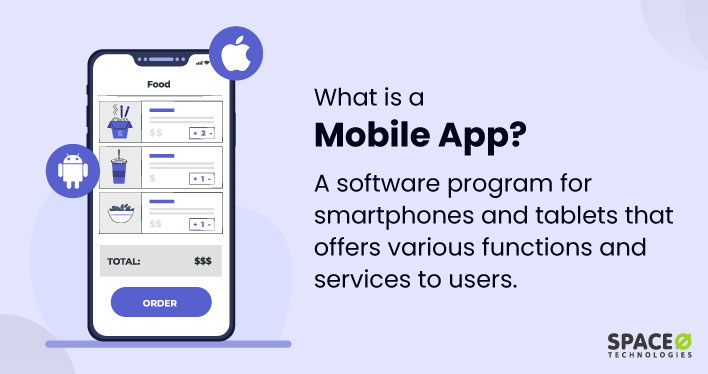
What is a Mobile App?
a mobile application, commonly called
Mobile apps empower users to perform a variety of activities seamlessly. For example:
- Instagram: One of the leading social media apps, allowing users to share photos and videos, apply filters, and engage with others. Its features include IGTV for longer videos, direct messaging, and photo editing tools, all optimized for mobile use.
- Uber: Revolutionized urban transportation by offering a simple interface for requesting rides, tracking drivers in real time, and making cashless payments. This app exemplifies how mobile technology can change traditional industries by enhancing convenience and efficiency.
Understanding these examples highlights the versatility and importance of mobile apps in everyday life. For a deeper dive into how to develop successful apps, consider exploring the art of success in game development simulation.
—
4 Major Types of Mobile Apps
Mobile applications can be categorized into four primary types, each with distinct characteristics and use cases.
Native Apps
Native apps are specifically built for a particular operating system, such as iOS or Android. They are developed using platform-specific programming languages like Swift for iOS or Kotlin for Android, which allows them to leverage the full capabilities of the device’s hardware and software.
These apps are renowned for their high performance, responsiveness, and seamless integration with device features such as the camera, GPS, push notifications, and sensors. They are typically available through the official app stores for their respective platforms.
Examples of native apps include Spotify, Facebook, Snapchat, and WhatsApp.
Web Apps
Web apps are accessed directly through a mobile device’s web browser, eliminating the need for installation from app stores. They are built using standard web technologies such as HTML, CSS, and JavaScript, making them accessible across multiple devices and operating systems.
Web apps are particularly useful for providing quick, on-the-fly access to services like email, social media, productivity tools, and cloud storage. They are ideal when instant access and ease of use are priorities, especially in environments with limited internet bandwidth.
Examples of web apps include Gmail, Google Docs, Trello, and Asana.
Hybrid Apps
Hybrid applications combine elements of native and web apps. They are developed using web technologies like HTML, CSS, and JavaScript but are wrapped within a native container, allowing them to be distributed via app stores and access device features.
This approach enables developers to write code once and deploy across multiple platforms, reducing development time and costs while maintaining a user experience close to that of native apps.
Examples include UberEats, Amazon, Microsoft Teams, and Twitter.
Progressive Web Apps (PWAs)
Progressive Web Apps are an innovative class of applications that blend the best features of web and native apps. They are built with web technologies but can be installed on a device’s home screen, send push notifications, and work offline or with poor connectivity.
PWAs offer fast loading times, smooth performance, and enhanced engagement features without requiring users to download from app stores. They are transforming mobile interaction by providing a more integrated and app-like experience directly through the browser.
Examples of PWAs include Forbes, Pinterest, Flipkart, and AliExpress.
For a detailed comparison and guidance on choosing the right type for your needs, check out our comprehensive guide on mobile app classifications.
—
Pros and Cons of Mobile Apps
Mobile applications bring numerous benefits but also face certain challenges. Understanding these can help in making informed decisions whether you’re developing or choosing to use apps.
Advantages
- Enhanced User Experience: Mobile apps provide a more dynamic, responsive, and engaging interface compared to mobile websites, leading to increased user satisfaction.
- Device Integration: Apps can utilize device features such as GPS, camera, accelerometers, and notifications to deliver innovative and personalized functionalities.
- Offline Access: Many apps offer offline capabilities, allowing users to access content and perform tasks without an internet connection, improving usability in areas with limited connectivity.
- Direct Communication Channel: Apps facilitate direct engagement with users through push notifications, personalized content, and promotions, fostering loyalty and retention.
- Performance Efficiency: Native apps are optimized for their respective platforms, ensuring high-speed performance and smooth operation.
Disadvantages
- Development and Maintenance Costs: Creating and updating apps for multiple platforms can be expensive and resource-intensive.
- Discovery Challenges: Standing out in saturated app stores is difficult due to millions of competing applications.
- Resource Intensive Updates: Regular updates are necessary to fix bugs, improve security, and add features, requiring ongoing effort.
- Compatibility Issues: Different device specifications and OS versions can lead to compatibility challenges.
- Privacy and Security Concerns: Handling sensitive user data demands rigorous security measures to prevent breaches.
If you’re interested in how mobile apps boost business growth, explore our post on the advantages of mobile apps for enterprises.
—
How Do Mobile Apps Actually Work?
Understanding the internal workings of mobile applications involves examining their architecture and development process.
Mobile apps consist of two main parts:
- Front-end (Client Side): The interface and visual elements with which users directly interact. This includes screens, buttons, menus, and animations designed by UI/UX designers to ensure an intuitive and enjoyable user experience.
- Back-end (Server Side): The server infrastructure that handles data processing, storage, and business logic. Developers write code in languages like Java, Swift, Kotlin, or JavaScript to facilitate app functionality.
The process involves several stages:
- Designing User Flows: UI and UX designers plan how users navigate through the app, ensuring accessibility and ease of use.
- Coding and Development: Developers implement visual designs into functional code, integrating features like camera access or location tracking.
- API Integration: Many apps communicate with remote servers or external services via APIs (Application Programming Interfaces) to fetch or send data in real time.
- Testing and Deployment: Apps undergo rigorous testing to identify bugs and performance issues before being released on app stores.
- Continuous Updates: Developers regularly update apps to improve performance, add features, or address security vulnerabilities.
In essence, mobile applications are complex software systems that combine user interface design, coding, server communication, and ongoing maintenance. To excel in app development, understanding the intricacies of this process is essential. For further insights into successful development practices, visit the guide on achieving success in game development simulation.
—