


Emulation technology has advanced significantly, making it easier than ever to run PC games on mobile platforms. Thanks to the efforts of innovative companies like Valve, the barriers to playing traditional Windows titles on Android devices are rapidly diminishing. This progress not only enhances the gaming experience for mobile users but also paves the way for broader compatibility across a variety of Arm-based devices, including smartphones, tablets, and even Arm-powered laptops. As these developments unfold, gamers and developers alike are exploring new possibilities for seamless game access and performance.
Valve’s Role in Revolutionizing Android Gaming Through Emulation
Valve Corporation, renowned for its influential role in PC gaming via the Steam platform, has recently shifted its focus toward mobile gaming and emulation. The company’s investment in projects such as the Fex emulator and Proton compatibility layer is transforming how Windows games are experienced on Android devices. These tools work together to enable the smooth operation of PC titles on Arm architectures, which are prevalent in mobile devices and increasingly in laptops.
Fex, an open-source Windows emulator sponsored by Valve, operates alongside Proton—a compatibility framework co-developed with CodeWeavers. This synergy allows Android hardware to emulate Windows environments, making it possible to run many PC games without native ports. Valve’s support for these projects signals a shift toward broader compatibility, reducing the need for developers to spend extensive time porting their titles to new platforms. Instead, gamers can enjoy a wider library of games on their mobile devices with minimal hassle.
The significance of this technology extends beyond gaming convenience. By fostering a robust emulation ecosystem, Valve is effectively setting the stage for other hardware manufacturers, including Android OEMs and even Apple’s iOS devices, to benefit from similar capabilities. This approach could lead to a future where PC games are more accessible on a diverse range of devices, bridging the gap between traditional PC gaming and mobile entertainment.
The Technology Behind Emulation: Fex, Proton, and Beyond
Proton, an essential component of Valve’s emulation strategy, is built upon the popular Wine project, which allows Windows applications to run on Linux and Mac systems. To support Arm-based hardware, Valve has developed a specialized version of Proton tailored specifically for Arm architecture. This version manages high-level APIs such as DirectX and DirectSound, enabling Android and Linux devices to render complex graphics and audio just like a desktop PC.
According to Griffais, a developer on the SteamOS team, Valve’s efforts are not limited to software. Their sponsorship of the Fex emulator—led by developer Ryan Houdek—has been instrumental in creating a long-term, adaptable framework. Houdek expressed gratitude for Valve’s support, emphasizing their trust and the open nature of the project, which encourages community participation and innovation.
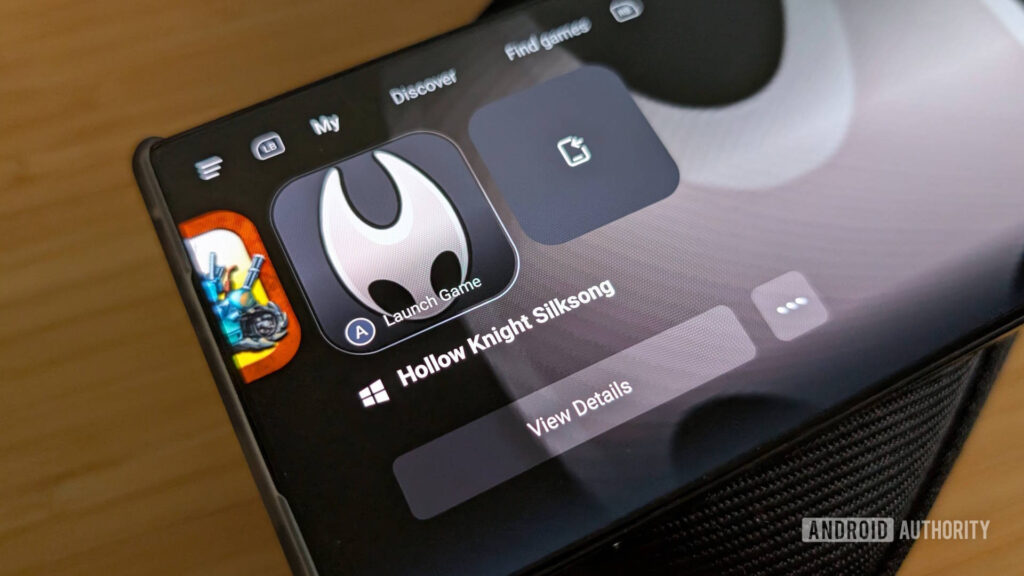
These technological advancements are powering new tools like GameHub, an emulator that allows users to access their Steam libraries directly on Android devices. Developed by popular controller manufacturer GameSir, GameHub exemplifies how these emulation projects make gaming more flexible and convenient. It is also compatible with Steam Frame XR hardware, which aims to bring PC gaming experiences into the world of extended reality (XR).
The Road Ahead for Android and Arm-Based Gaming Platforms
Valve’s ongoing initiatives include plans to expand SteamOS across a wider array of Arm devices, aiming for enhanced stability and performance. The company is also exploring partnerships with hardware manufacturers to develop SteamOS-powered devices, mirroring efforts seen in the console industry with Xbox and other platforms. Such collaborations could bring native SteamOS support to a broader range of gadgets, further integrating PC gaming into mobile and portable ecosystems.
With the increasing prevalence of Android XR and the shrinking performance gap between mobile chips and traditional PCs, the future of gaming on Arm architecture looks promising. These innovations are likely to foster a new era where high-quality gaming can be enjoyed seamlessly across all kinds of devices, from smartphones to dedicated gaming hardware.
For those interested in pursuing careers in this rapidly evolving field, exploring educational paths for game development can provide valuable insights. Meanwhile, understanding the financial aspects of this industry, such as how game development agencies earn revenue, will give aspiring professionals a comprehensive view of the market landscape.
As Valve continues to innovate and push the boundaries of mobile gaming, it’s clear that the line between PC and mobile gaming is becoming increasingly blurred. Emulators like Fex and platforms like SteamOS on Arm devices are leading the charge toward a more unified gaming experience accessible anytime and anywhere.